ARTISTE PROFILE
-
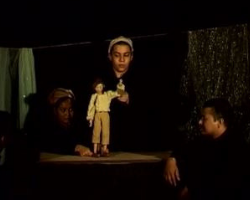
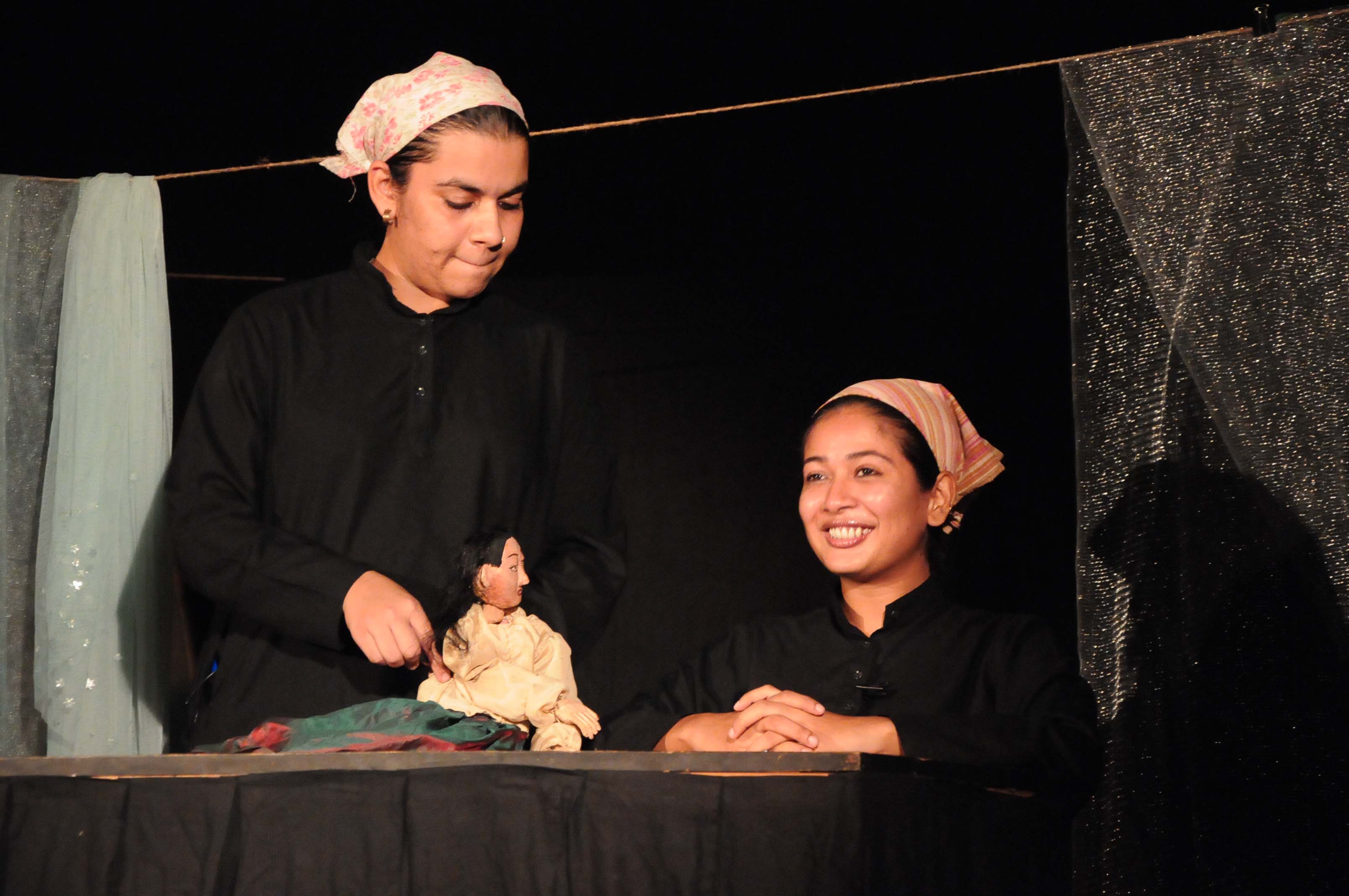
Anurupa roy
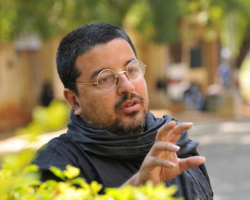
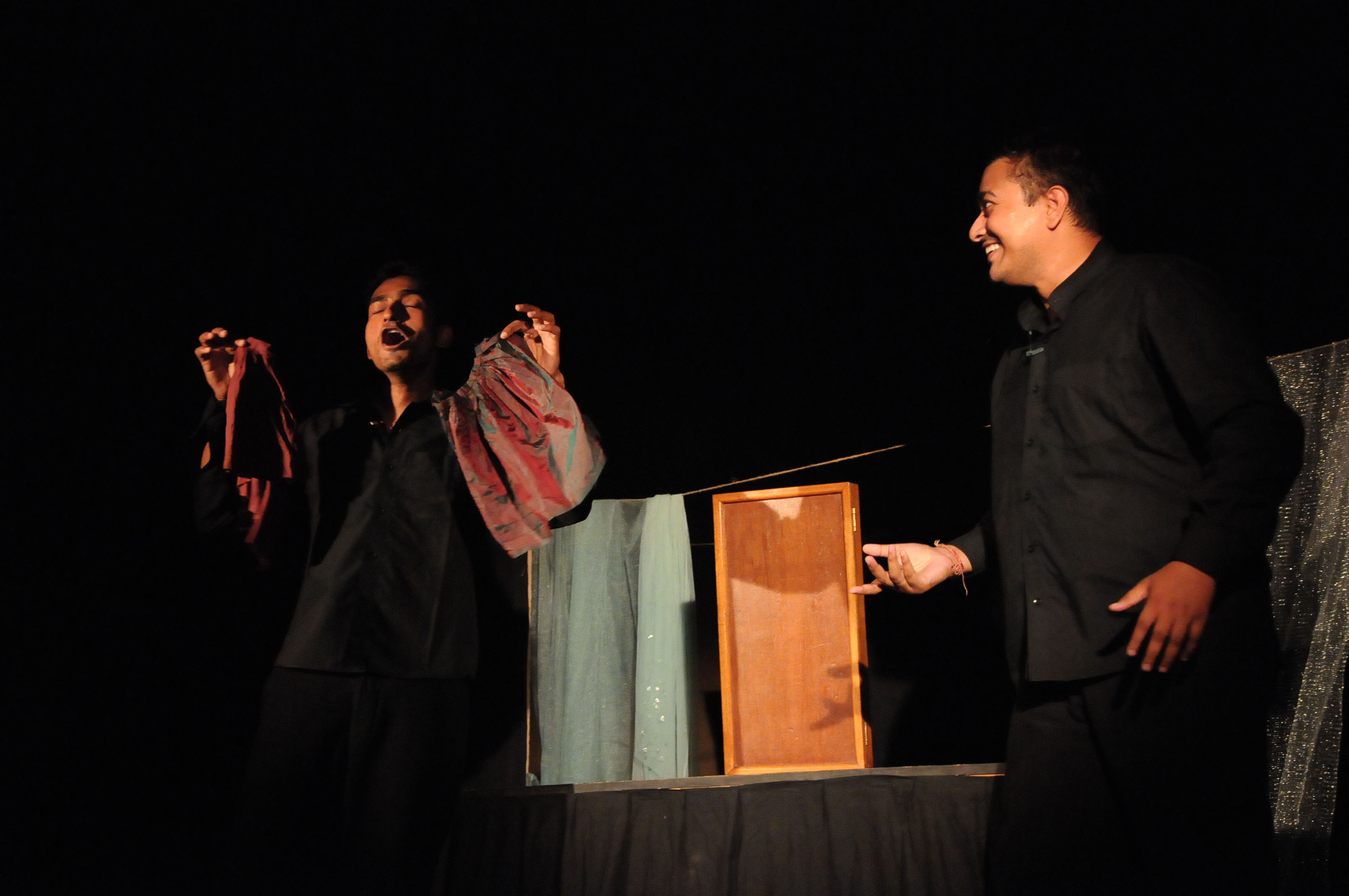
Rajat Kapoor
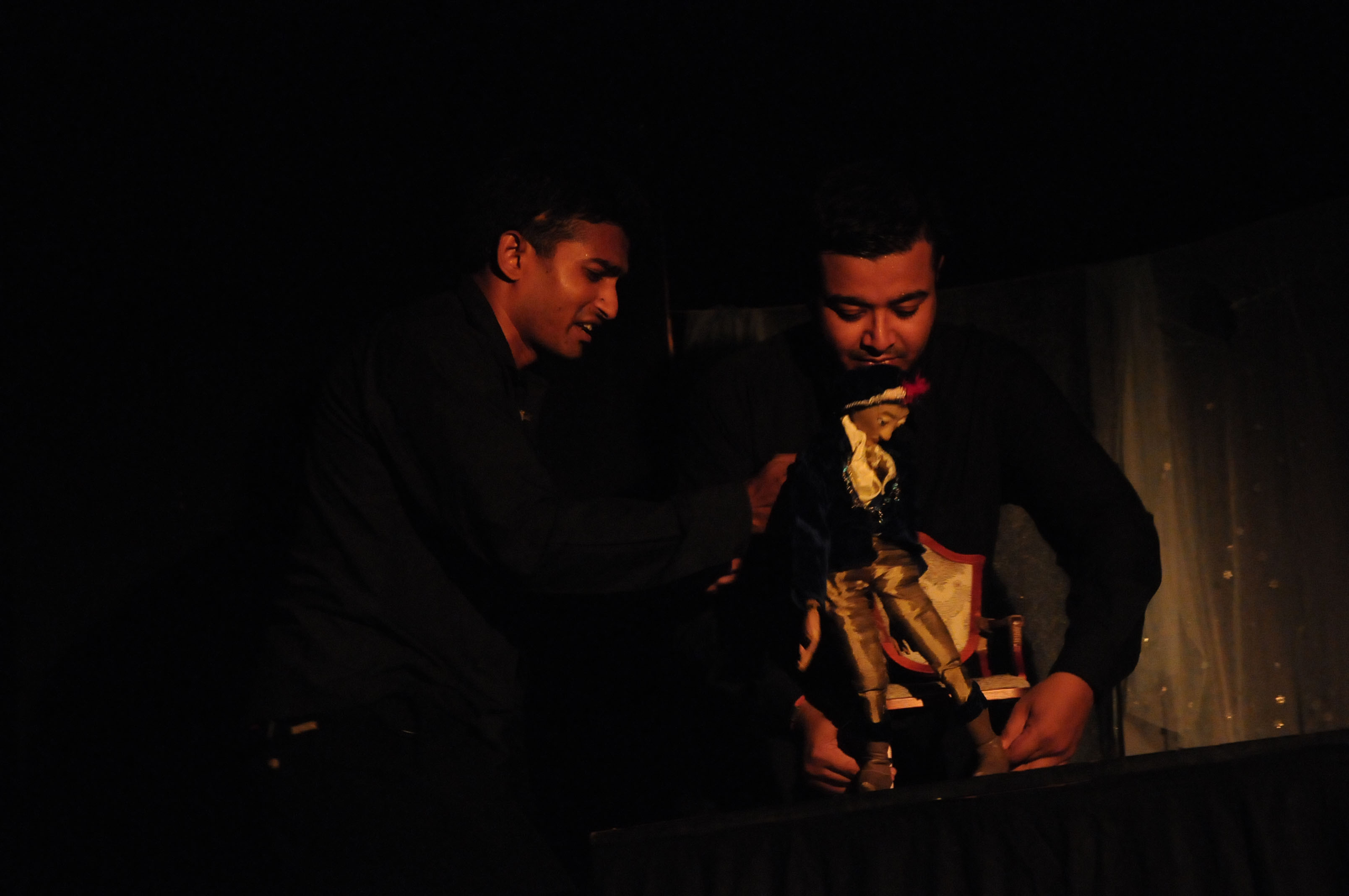
Akshara K.V.
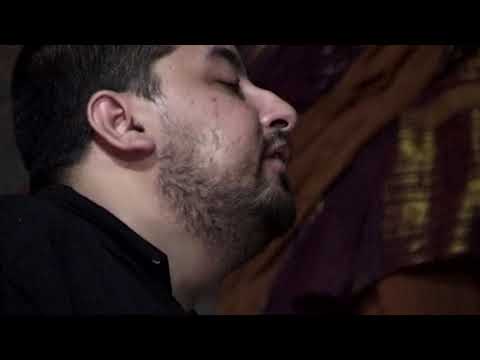
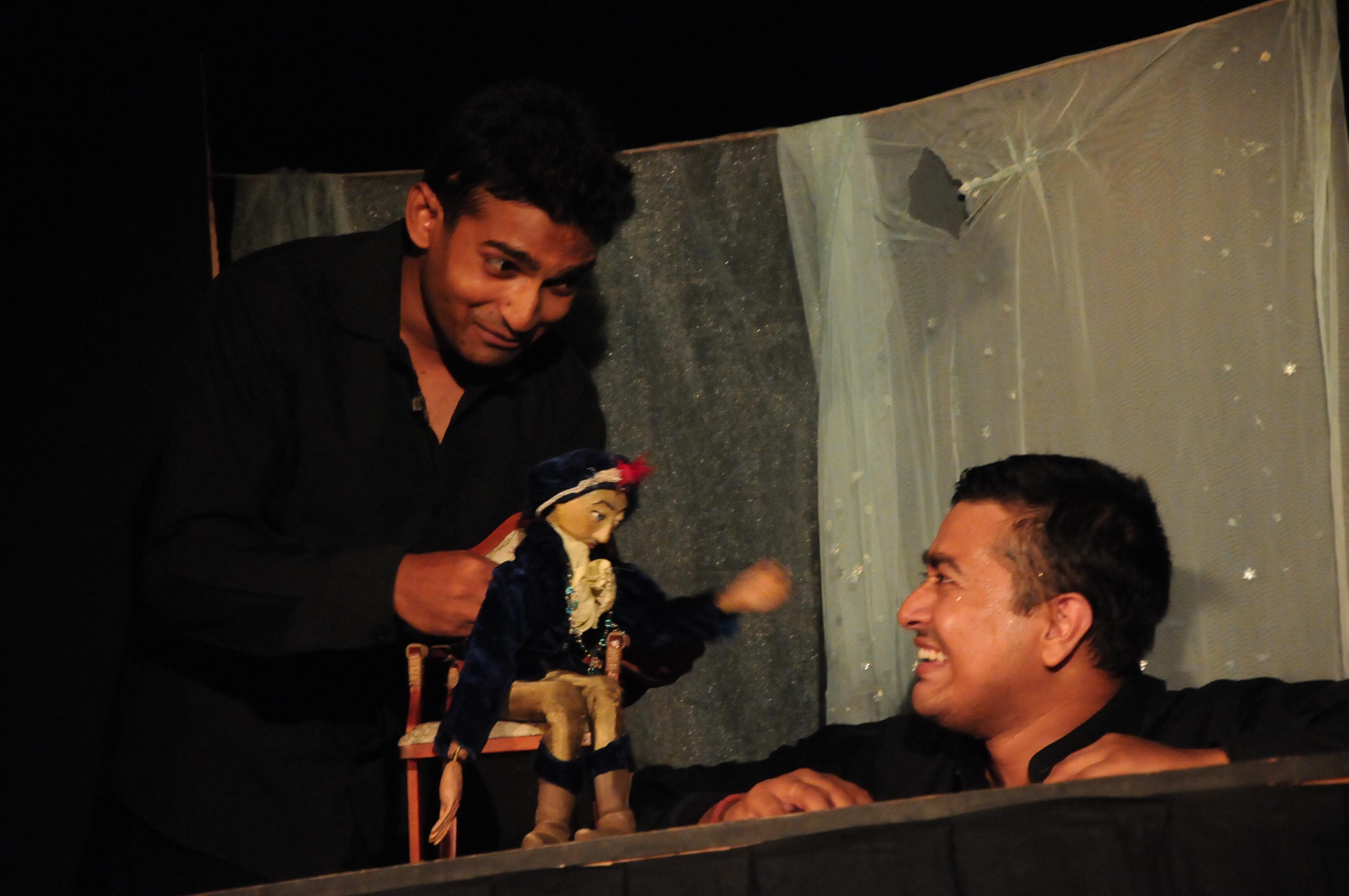
Parnab Mukherjee



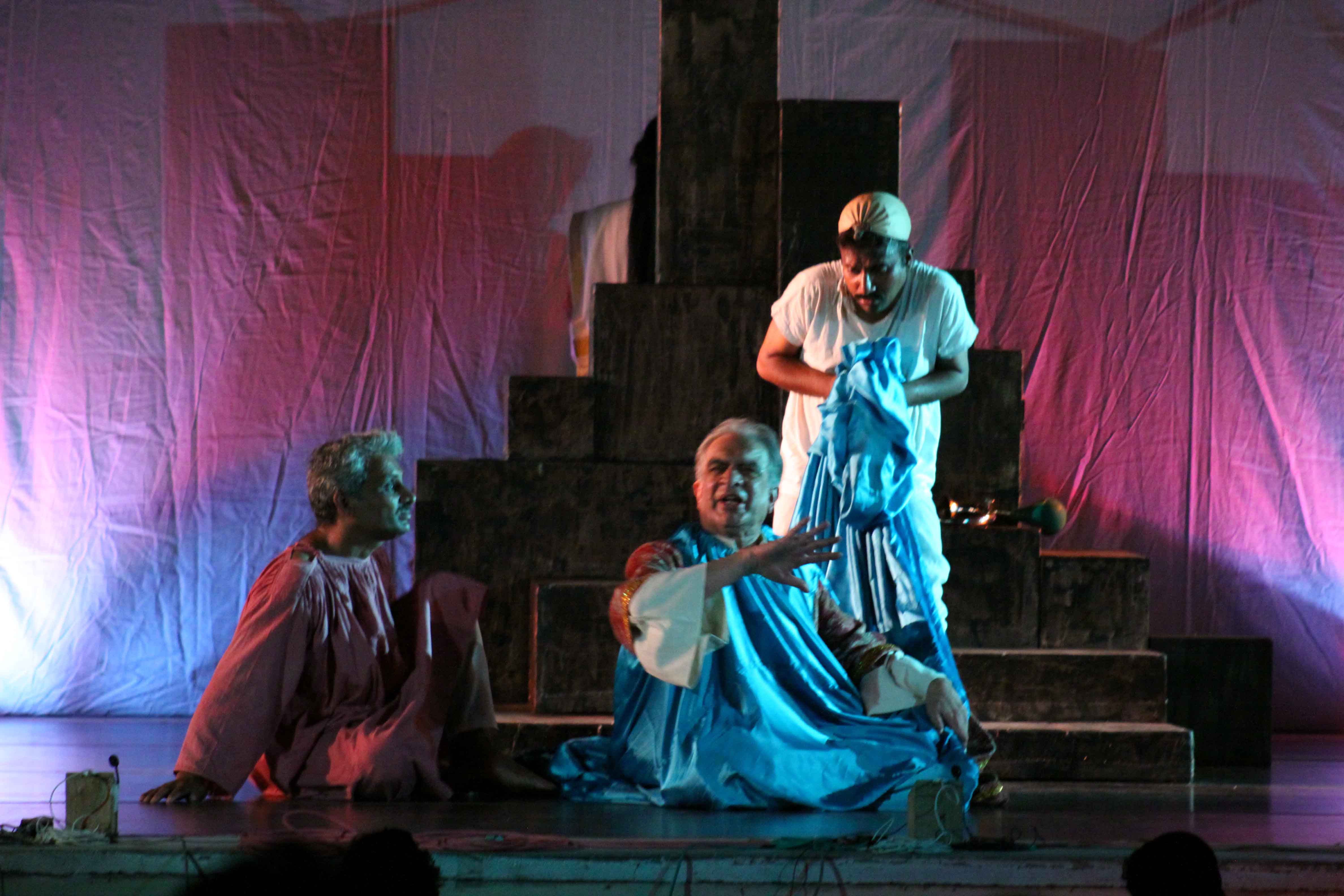
The Hamara Shakespeare festival is an annual 3-day festival celebrating Indian theatre in Chennai. This festival features stand-out performances by artists from across the country who have created a mark in their respective fields.
We at the Prakriti Foundation have had long standing commitment to theatre, which brought us to the epitome of this arts form, Shakespeare. However, our intention with this festival was to explore and experiment with the Indian perspective – how have Indian individuals and groups, actors and directors chosen to interpret Shakespeare? The result of this thought process was Hamara Shakespeare – a unique festival that portrays the works of Shakespeare in Indian languages in the Indian realm.
The festival opens its doors to people all over the country and the world, inviting them to experience and enjoy the world of theatre in Chennai. The best part being that it is non-ticketed and is open to all!
The 2009 edition of the festival showcased an interesting repertoire of theatre artists and groups such as Anurupa Roy, K.V. Akshara, Rajat Kapoor, Parnab Mukerjee and so on.
The 3-day festival took place from 9th to 15th September 2009. For further details regarding the venue, time and synopsis of the various performances on each day, kindly select the date from the drop-down menu.
09-09-2009
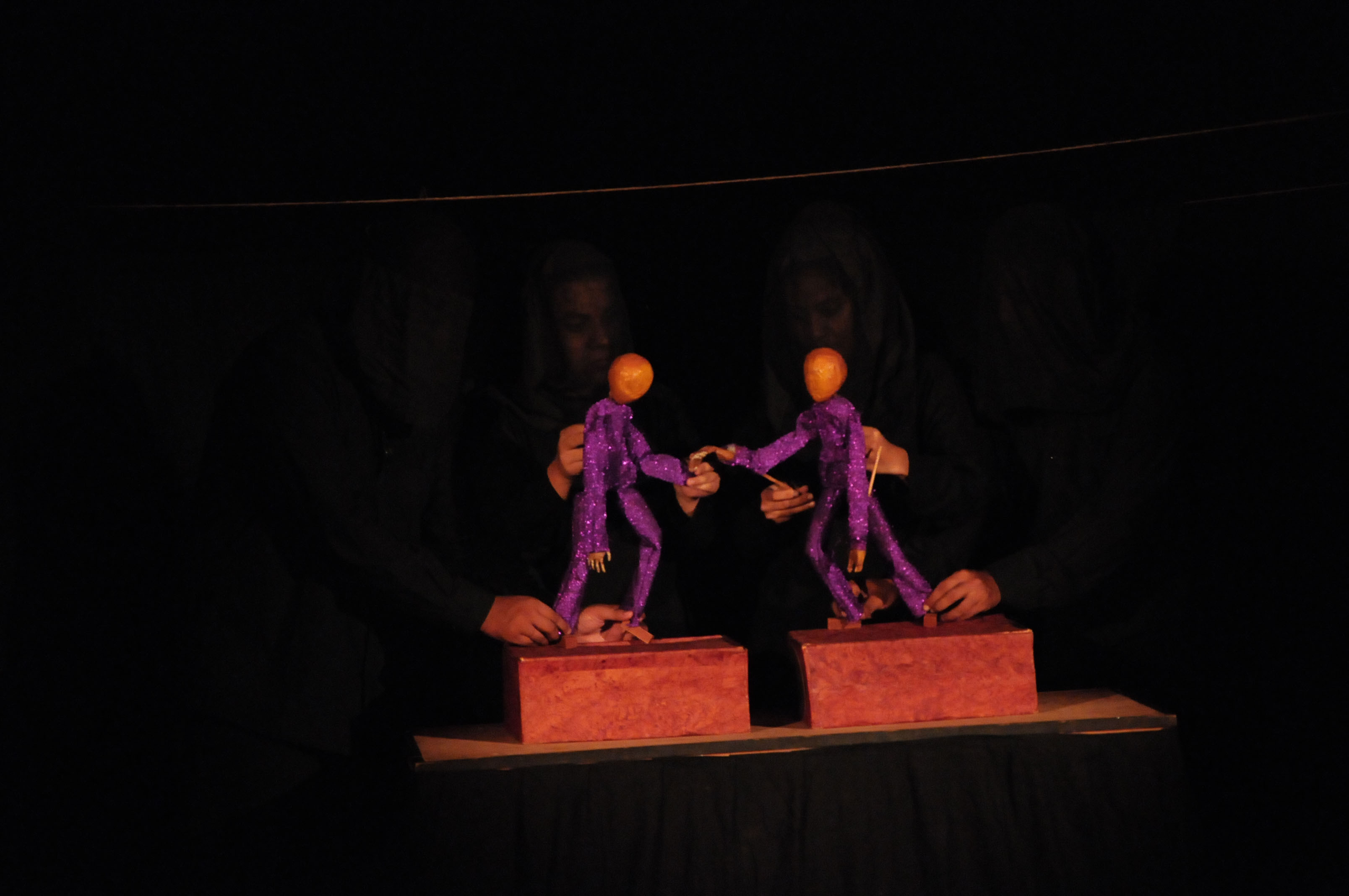
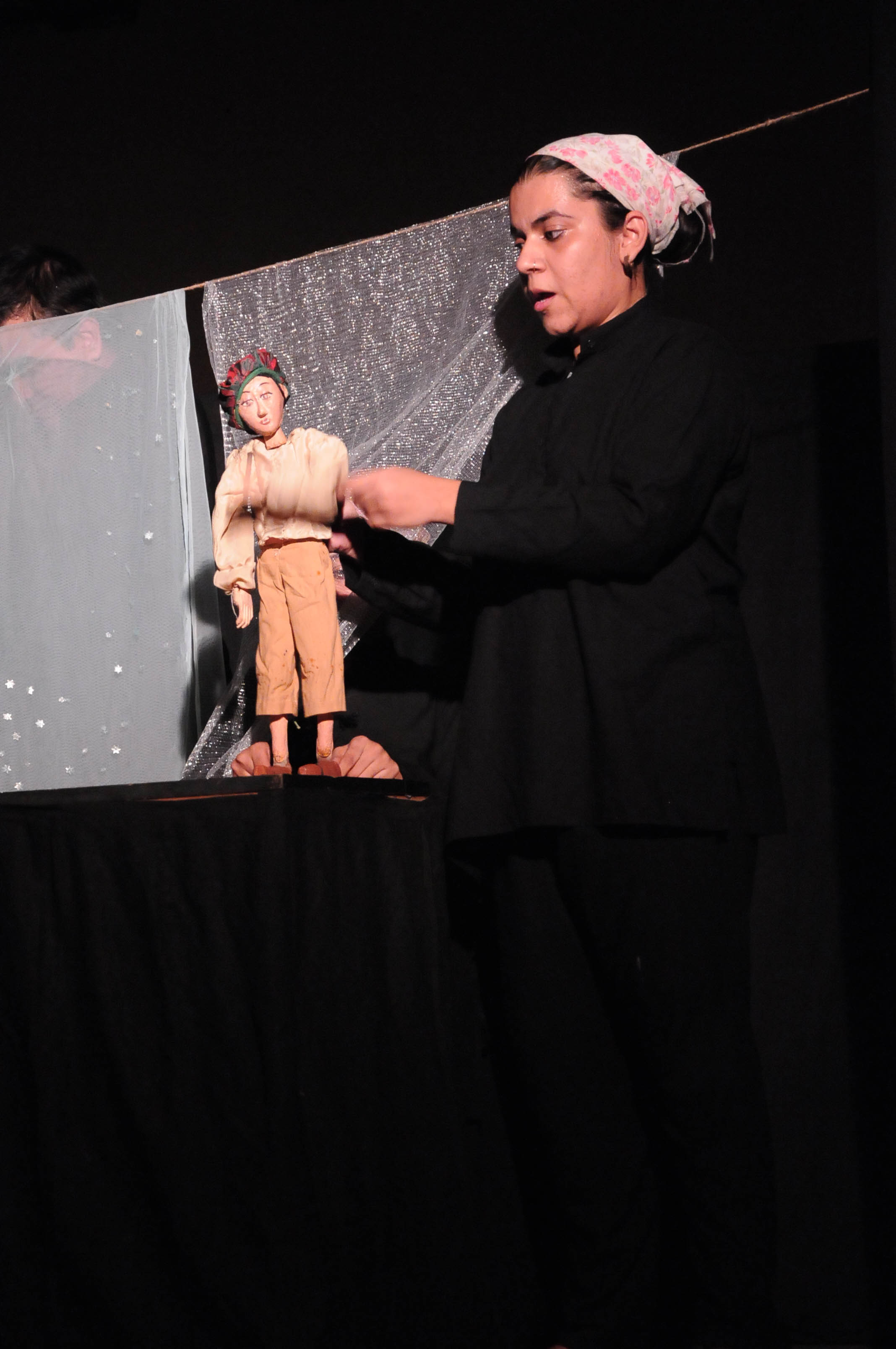
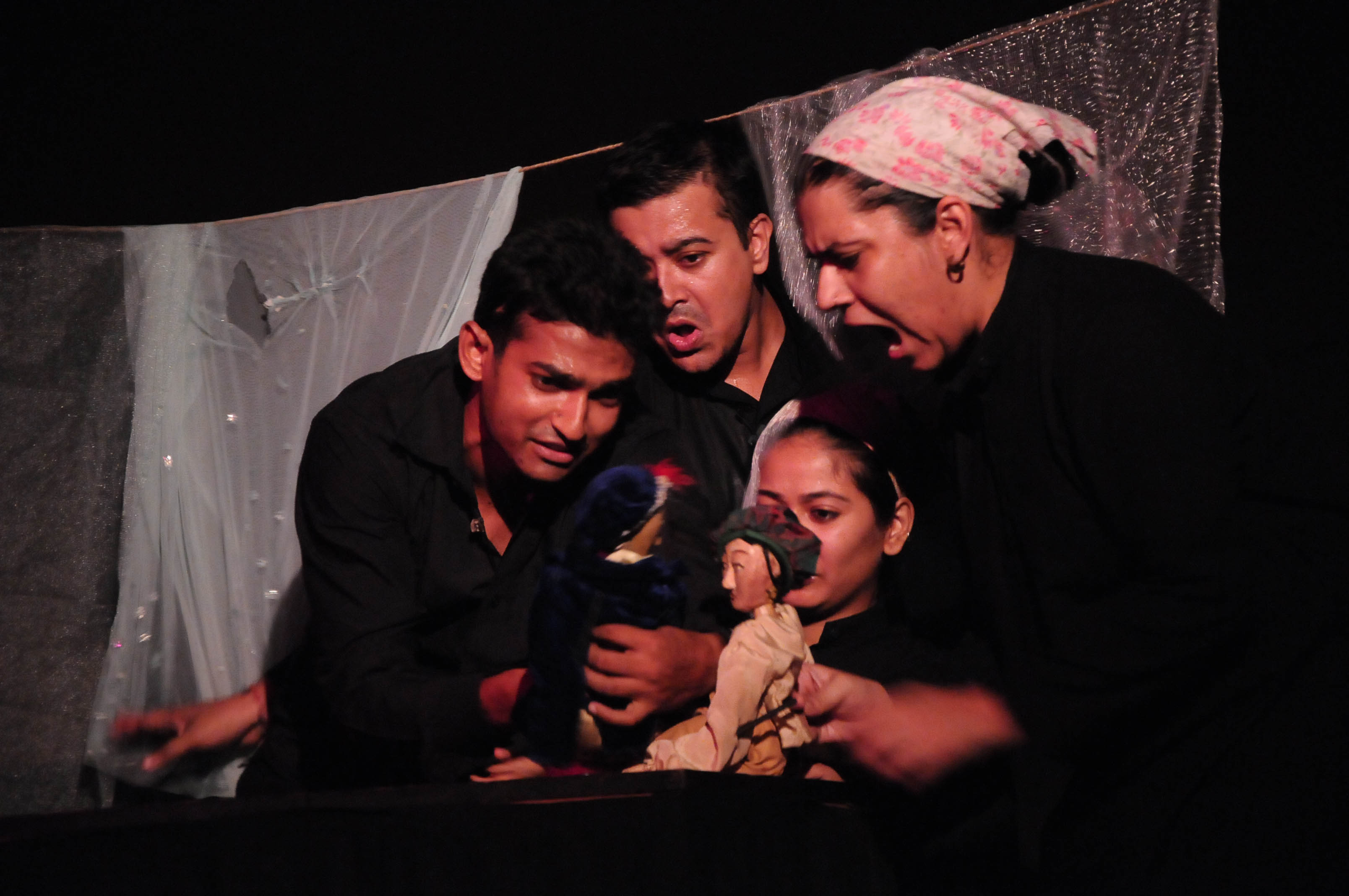
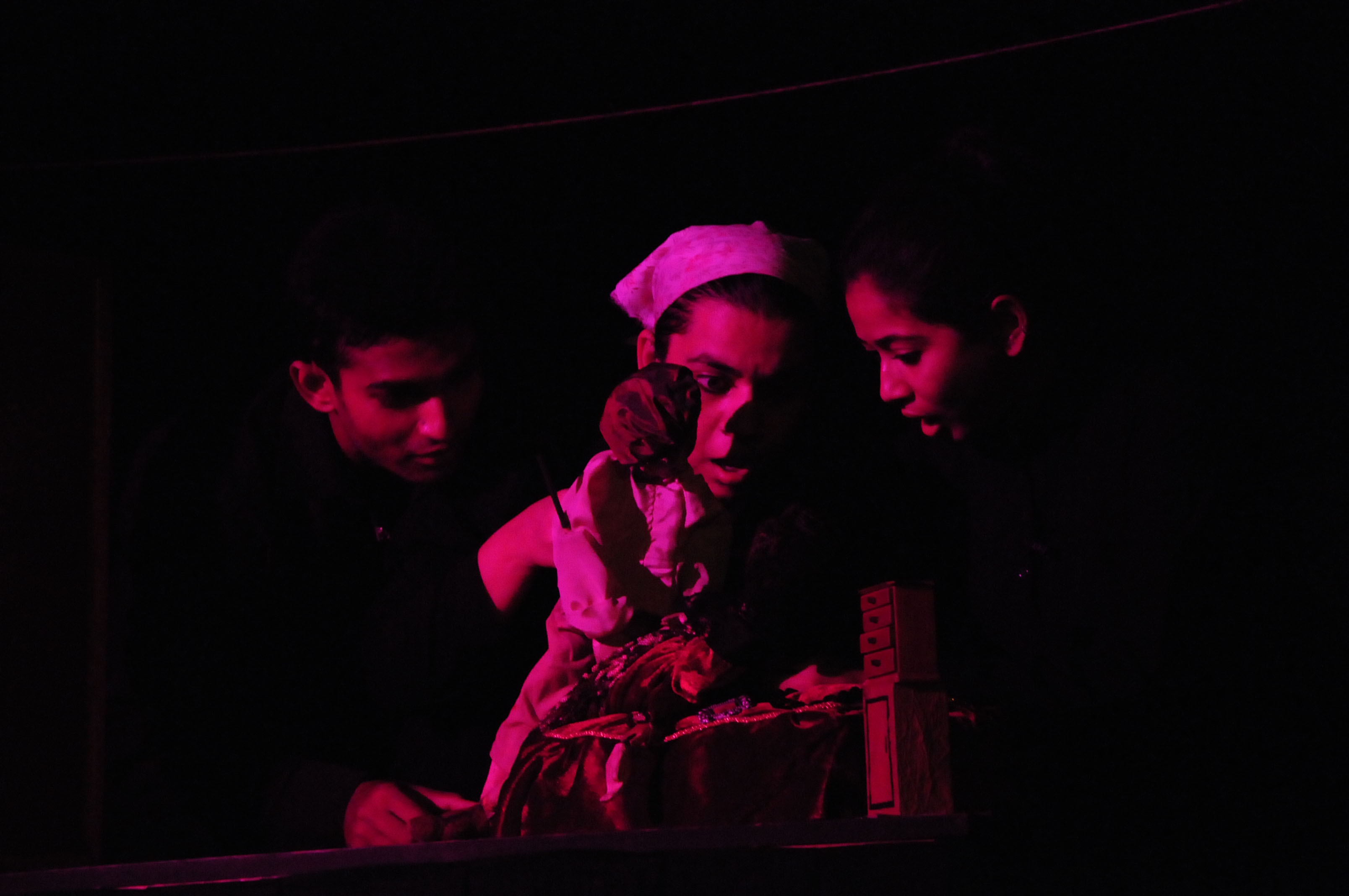
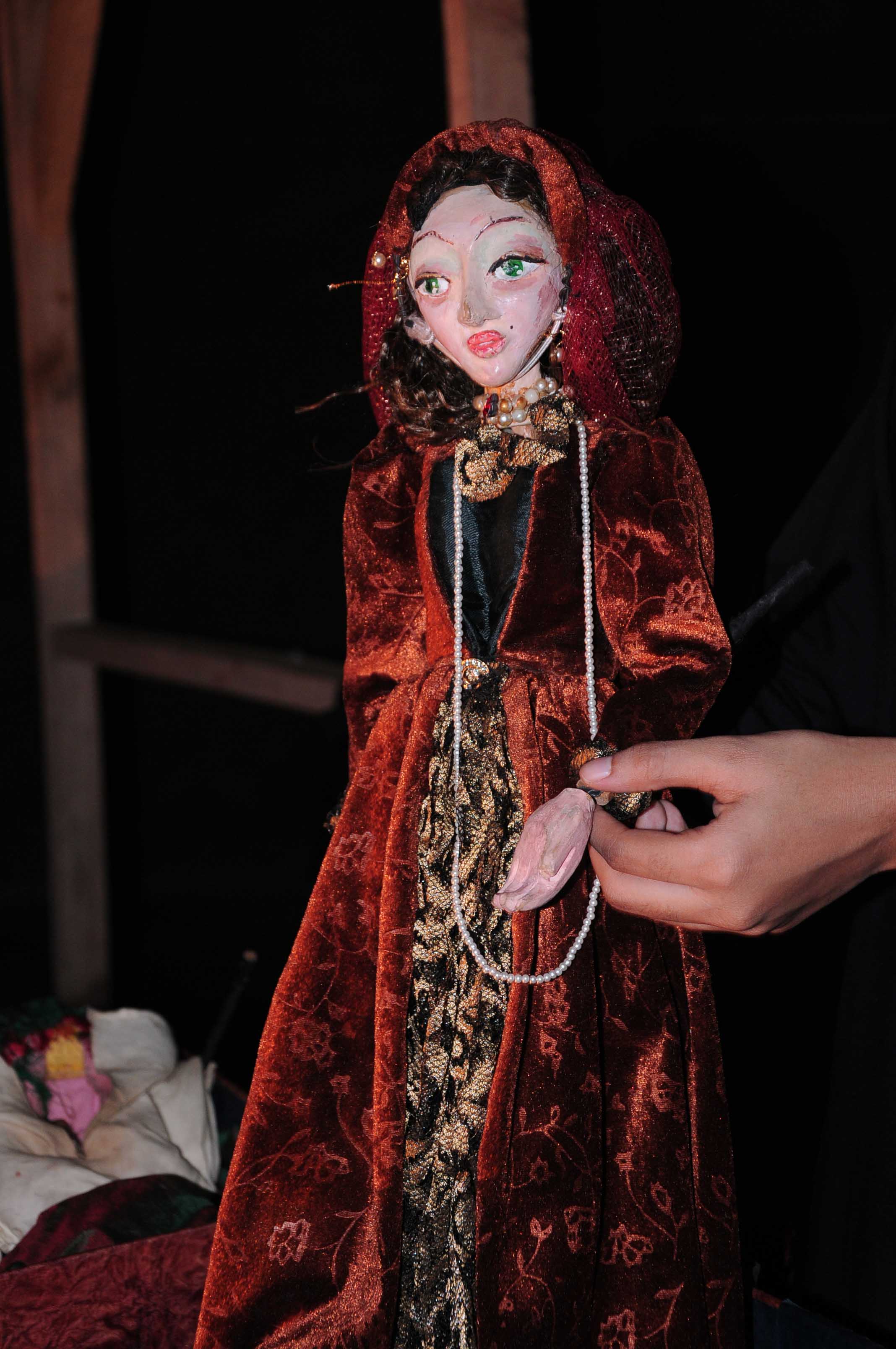
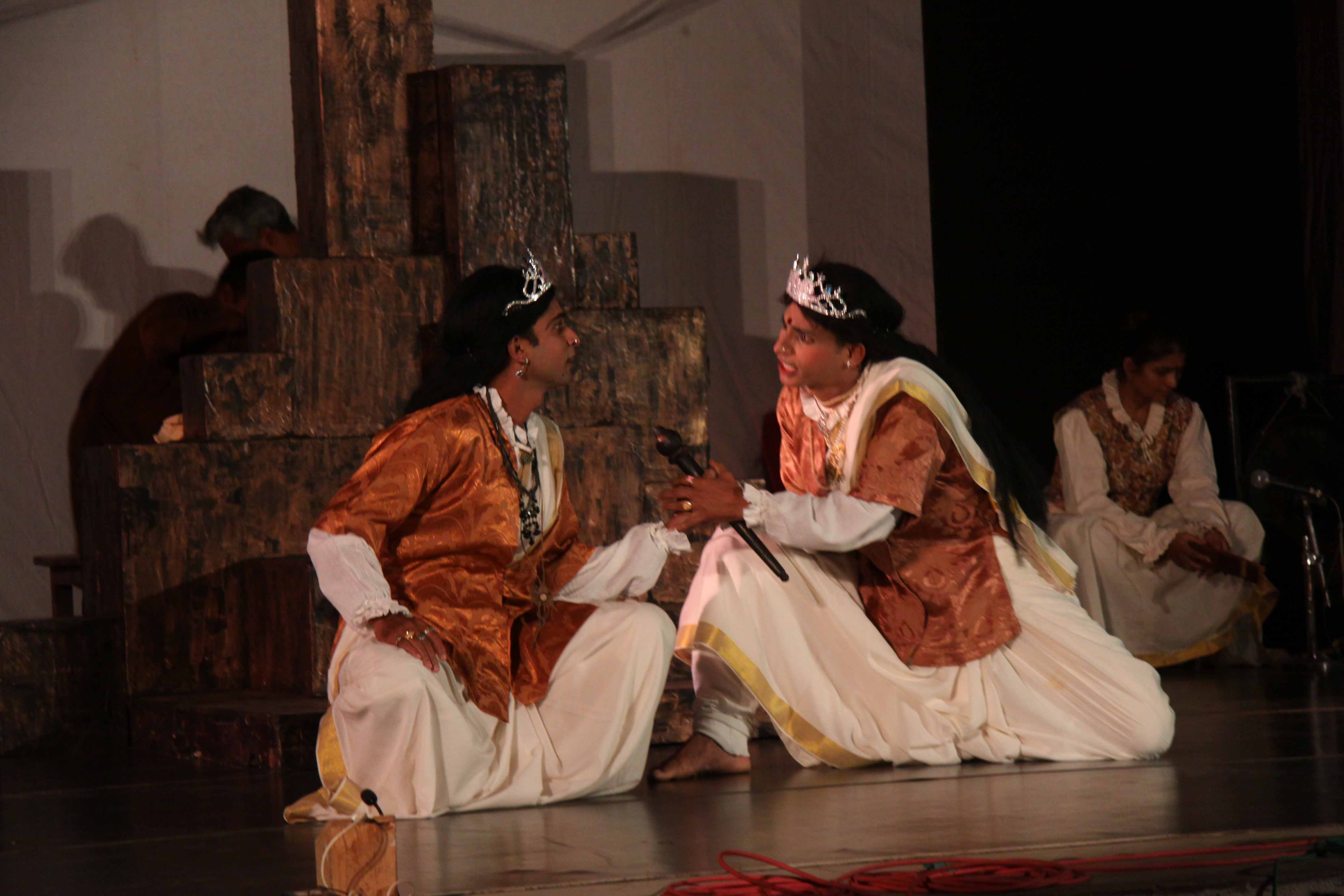
Based on Shakespeare`s immortal comedy about twin siblings separated in a sea storm and re-united after many adventures. Cross dressing, love triangles and much chaos are all in this story told with a small rod (bunraku style), with puppets and puppeteers as storytellers and actors.
09-09-2009
Based on Shakespeare`s immortal comedy about twin siblings separated in a sea storm and re-united after many adventures. Cross dressing, love triangles and much chaos are all in this story told with a small rod (bunraku style), with puppets and puppeteers as storytellers and actors.
10-09-2009
Based on Shakespeare`s immortal comedy about twin siblings separated in a sea storm and re-united after many adventures. Cross dressing, love triangles and much chaos are all in this story told with a small rod (bunraku style), with puppets and puppeteers as storytellers and actors.
10-09-2009
Based on Shakespeare`s immortal comedy about twin siblings separated in a sea storm and re-united after many adventures. Cross dressing, love triangles and much chaos are all in this story told with a small rod (bunraku style), with puppets and puppeteers as storytellers and actors.
12-09-2009
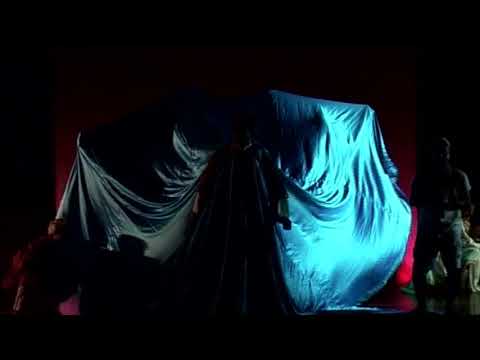
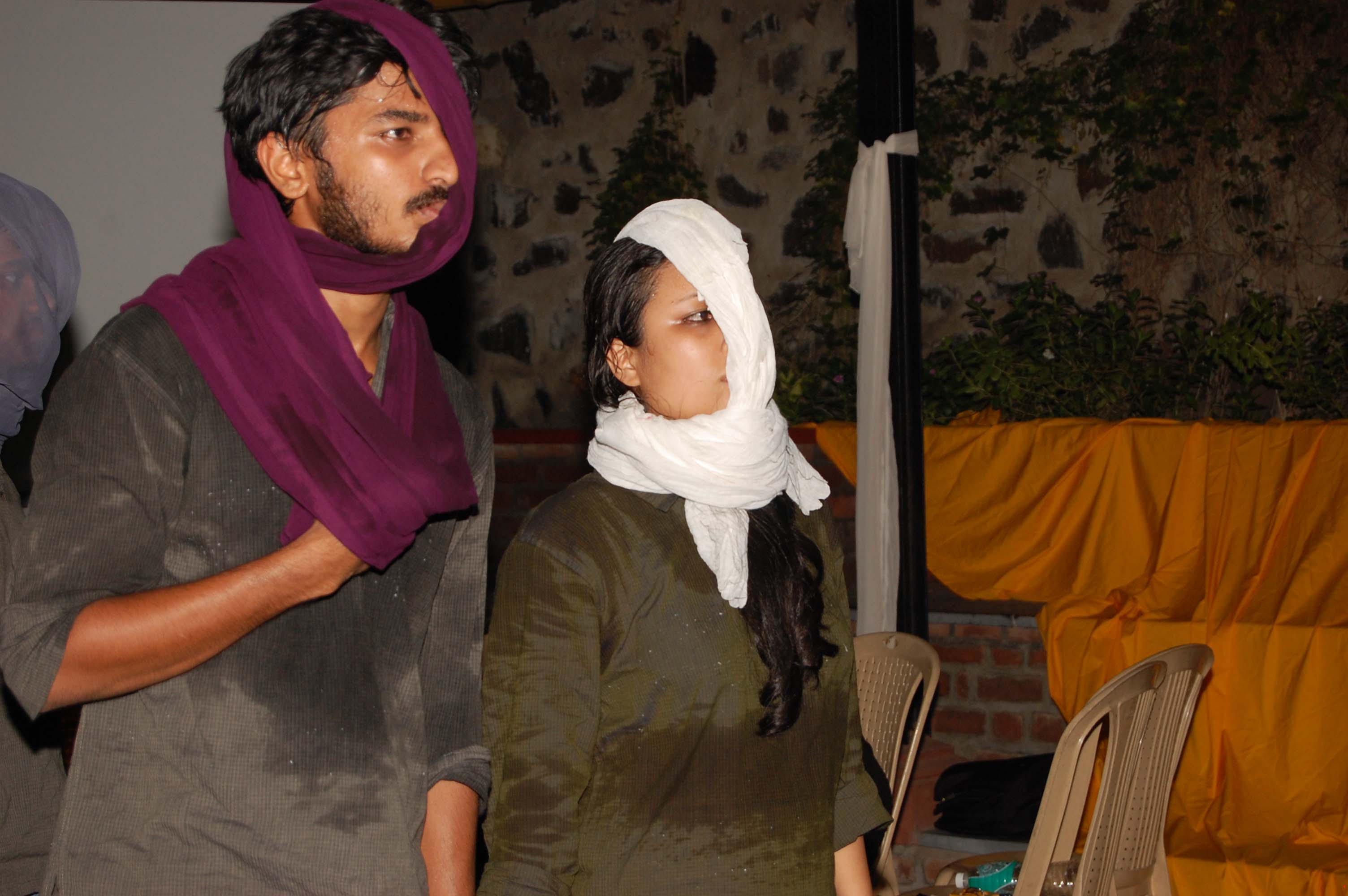
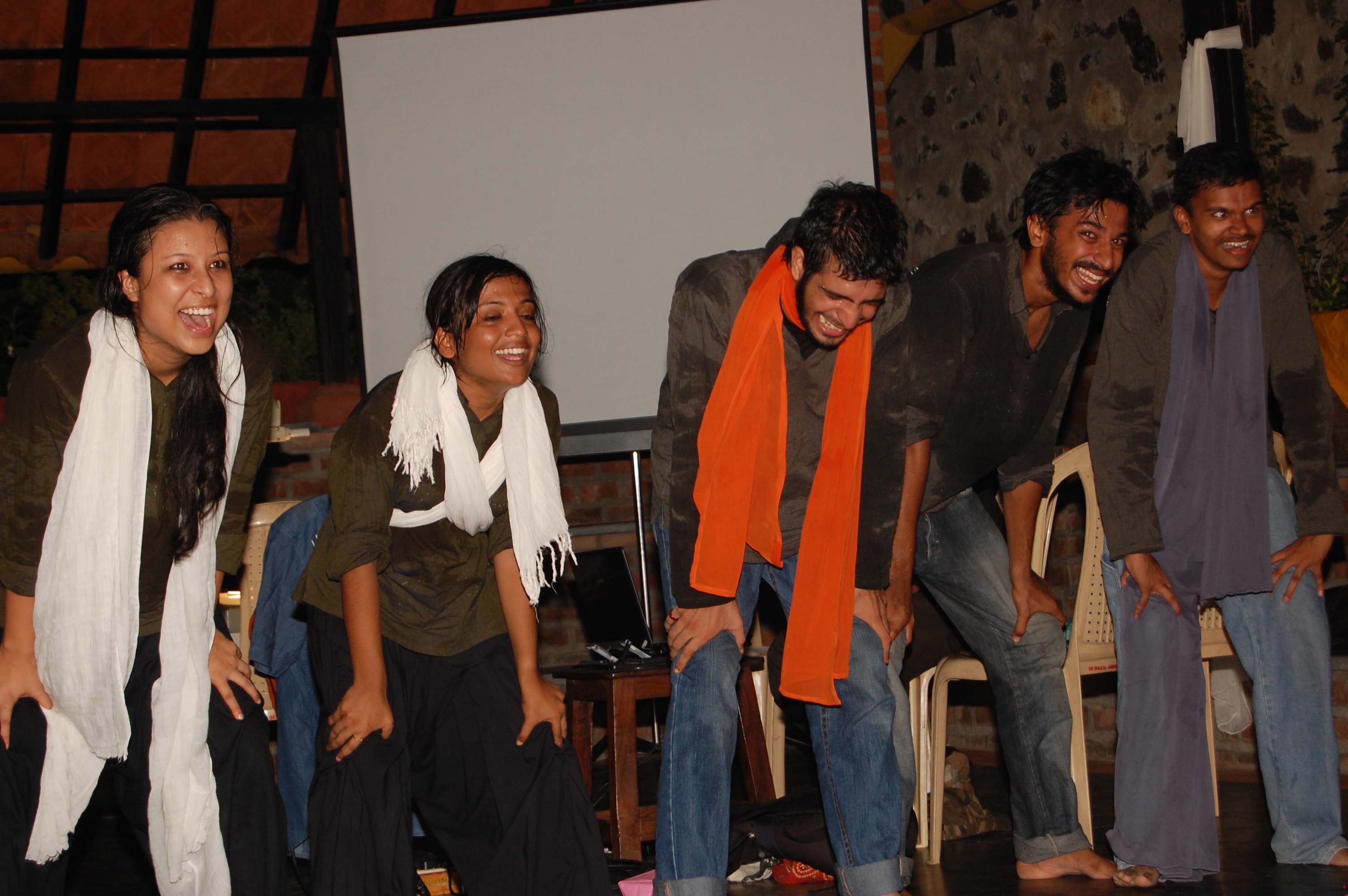
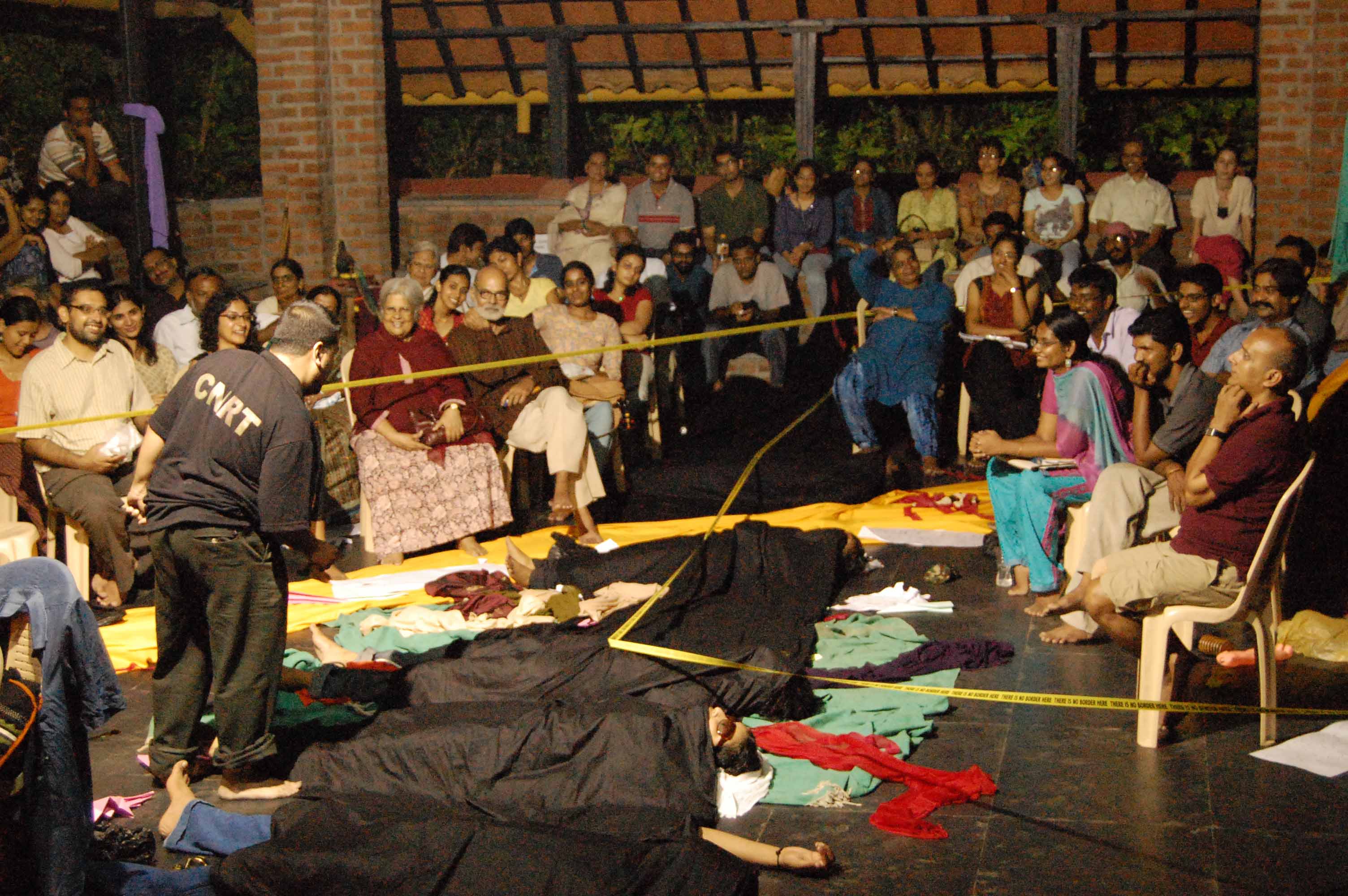
Who or what is a Caliban? Is he this cross between a human and an animal or a manifestation of a desire? What is that desire? It is the desire of the "other" to be counted. It is the desire of the fringe to be a part of the mainstream policymaking and the so-called mainstream sensitivity. This play is not just a re-working of a Shakespeare classic peppered with a collage of texts, but a text-body curated voyage to find Caliban amongst the dissident maps in India and Sri Lanka. All over these countries, "traitors" are being identified. Traitors like people who legally question the government on the murder of Lasantha Wickeramatunge; like people who question the years of developmental apathy that led to the multiple flashpoints in Lalgarh, Singur, Nandigram and the fire that rages all along the Bandawan forest; like editors operating in the print-media who are shot dead in the north-east of India on an alarming regularity; like a marginal voice of a human rights activist arguing about the internment of 280,000 Tamils in relief camps in the north and east of Serendip, like people who question the wrist-cutting barbarity in Kalinganagar, like those who are speaking up against the plundering of the Niyamgiri mountains, like the poets who were waging war against aesthetics of the moral police, like the musicians who operate in claustrophobic set-ups where religion is invoked as a convenience to shoot down any possibility of artistic dissent, like an average Timorese street-fighting against the ghosts of the past...like the survivors of forgotten genocides in Nellie, Malom, Mokokchung. The play identifies diverse Calibans waging their own battle in south-east Asia and tries to reclaim the Tempest for him. The play dissects, shreds and slashes open the Shakespearean structure and excavates the sub-text of Caliban from the debris of a Prospero-driven rhetoric. In such times, it is his Tempest that would make us understand the difference between the rule of the law and the rule by the law. And maybe we would finally recognise the "other" as a part of the whole and not the whole of the part. Using a series of object installations, protest rushes of unedited video footage and a rich mix of physical theatre, the play weaves in a series of internal monologues of Calibans trying to unshackle The Tempest. At the end it is the memories of another day that remains. Memories of the body grappling with the distractions of the text.
14-09-2009
Who or what is a Caliban? Is he this cross between a human and an animal or a manifestation of a desire? What is that desire? It is the desire of the "other" to be counted. It is the desire of the fringe to be a part of the mainstream policymaking and the so-called mainstream sensitivity. This play is not just a re-working of a Shakespeare classic peppered with a collage of texts, but a text-body curated voyage to find Caliban amongst the dissident maps in India and Sri Lanka. All over these countries, "traitors" are being identified. Traitors like people who legally question the government on the murder of Lasantha Wickeramatunge; like people who question the years of developmental apathy that led to the multiple flashpoints in Lalgarh, Singur, Nandigram and the fire that rages all along the Bandawan forest; like editors operating in the print-media who are shot dead in the north-east of India on an alarming regularity; like a marginal voice of a human rights activist arguing about the internment of 280,000 Tamils in relief camps in the north and east of Serendip, like people who question the wrist-cutting barbarity in Kalinganagar, like those who are speaking up against the plundering of the Niyamgiri mountains, like the poets who were waging war against aesthetics of the moral police, like the musicians who operate in claustrophobic set-ups where religion is invoked as a convenience to shoot down any possibility of artistic dissent, like an average Timorese street-fighting against the ghosts of the past...like the survivors of forgotten genocides in Nellie, Malom, Mokokchung. The play identifies diverse Calibans waging their own battle in south-east Asia and tries to reclaim the Tempest for him. The play dissects, shreds and slashes open the Shakespearean structure and excavates the sub-text of Caliban from the debris of a Prospero-driven rhetoric. In such times, it is his Tempest that would make us understand the difference between the rule of the law and the rule by the law. And maybe we would finally recognise the "other" as a part of the whole and not the whole of the part. Using a series of object installations, protest rushes of unedited video footage and a rich mix of physical theatre, the play weaves in a series of internal monologues of Calibans trying to unshackle The Tempest. At the end it is the memories of another day that remains. Memories of the body grappling with the distractions of the text.
15-09-2009
Who or what is a Caliban? Is he this cross between a human and an animal or a manifestation of a desire? What is that desire? It is the desire of the "other" to be counted. It is the desire of the fringe to be a part of the mainstream policymaking and the so-called mainstream sensitivity. This play is not just a re-working of a Shakespeare classic peppered with a collage of texts, but a text-body curated voyage to find Caliban amongst the dissident maps in India and Sri Lanka. All over these countries, "traitors" are being identified. Traitors like people who legally question the government on the murder of Lasantha Wickeramatunge; like people who question the years of developmental apathy that led to the multiple flashpoints in Lalgarh, Singur, Nandigram and the fire that rages all along the Bandawan forest; like editors operating in the print-media who are shot dead in the north-east of India on an alarming regularity; like a marginal voice of a human rights activist arguing about the internment of 280,000 Tamils in relief camps in the north and east of Serendip, like people who question the wrist-cutting barbarity in Kalinganagar, like those who are speaking up against the plundering of the Niyamgiri mountains, like the poets who were waging war against aesthetics of the moral police, like the musicians who operate in claustrophobic set-ups where religion is invoked as a convenience to shoot down any possibility of artistic dissent, like an average Timorese street-fighting against the ghosts of the past...like the survivors of forgotten genocides in Nellie, Malom, Mokokchung. The play identifies diverse Calibans waging their own battle in south-east Asia and tries to reclaim the Tempest for him. The play dissects, shreds and slashes open the Shakespearean structure and excavates the sub-text of Caliban from the debris of a Prospero-driven rhetoric. In such times, it is his Tempest that would make us understand the difference between the rule of the law and the rule by the law. And maybe we would finally recognise the "other" as a part of the whole and not the whole of the part. Using a series of object installations, protest rushes of unedited video footage and a rich mix of physical theatre, the play weaves in a series of internal monologues of Calibans trying to unshackle The Tempest. At the end it is the memories of another day that remains. Memories of the body grappling with the distractions of the text.
11-10-2018
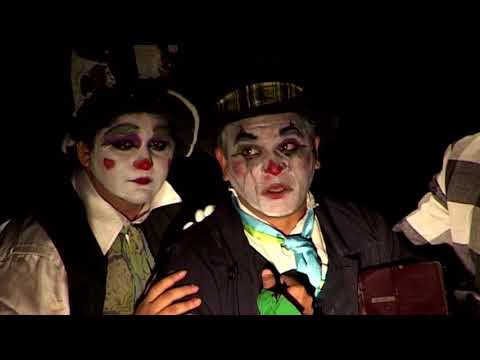
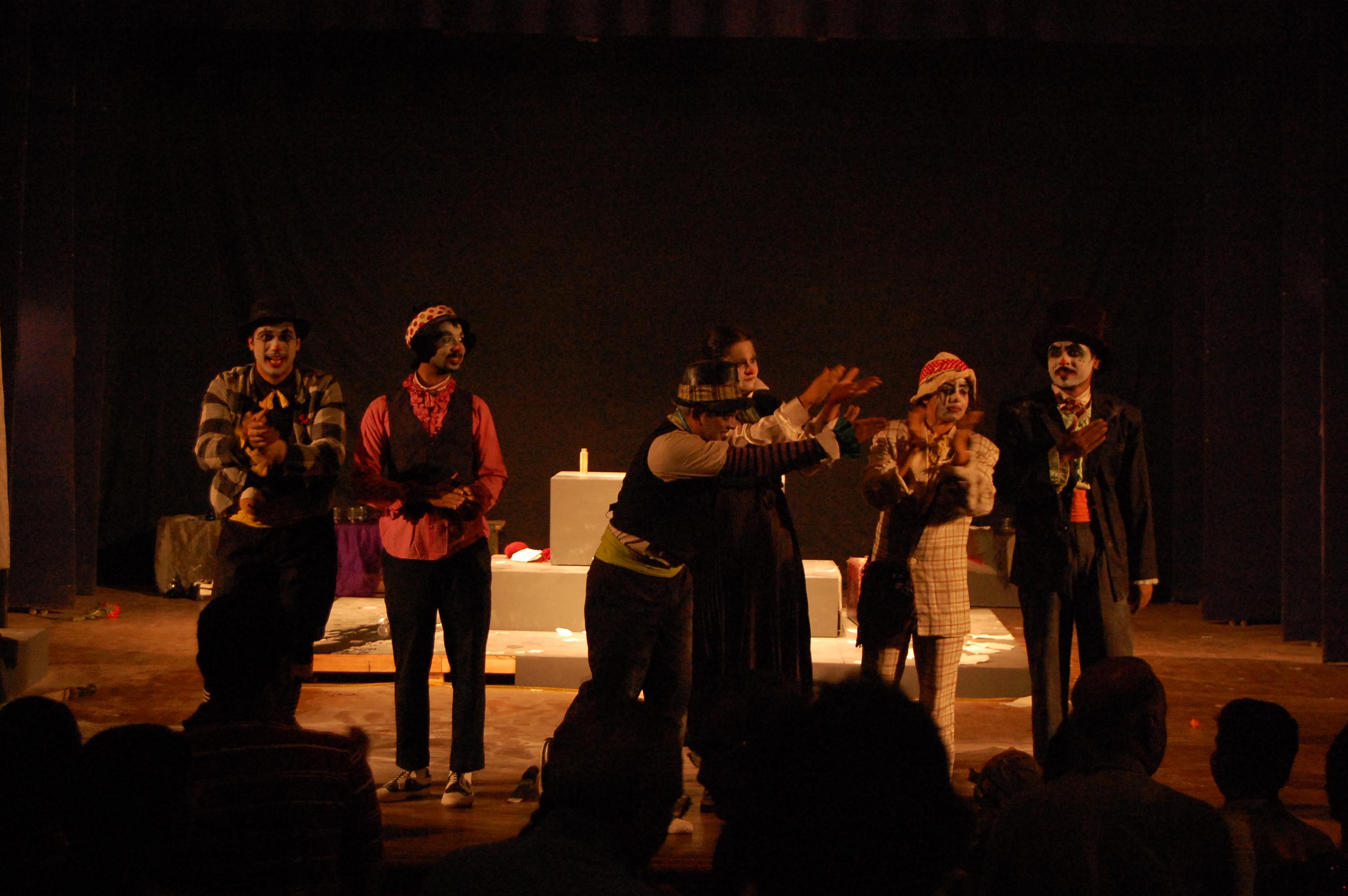
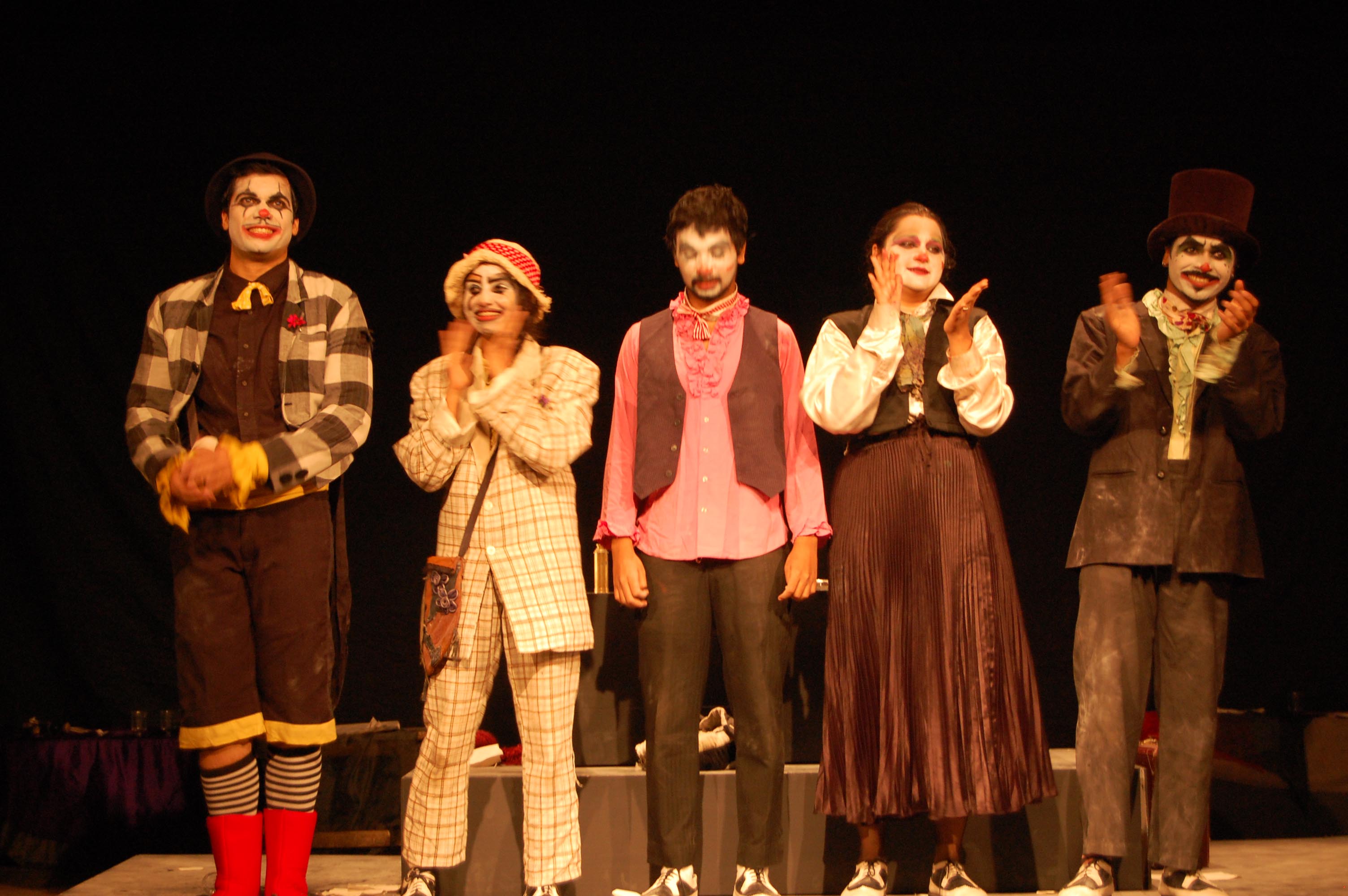
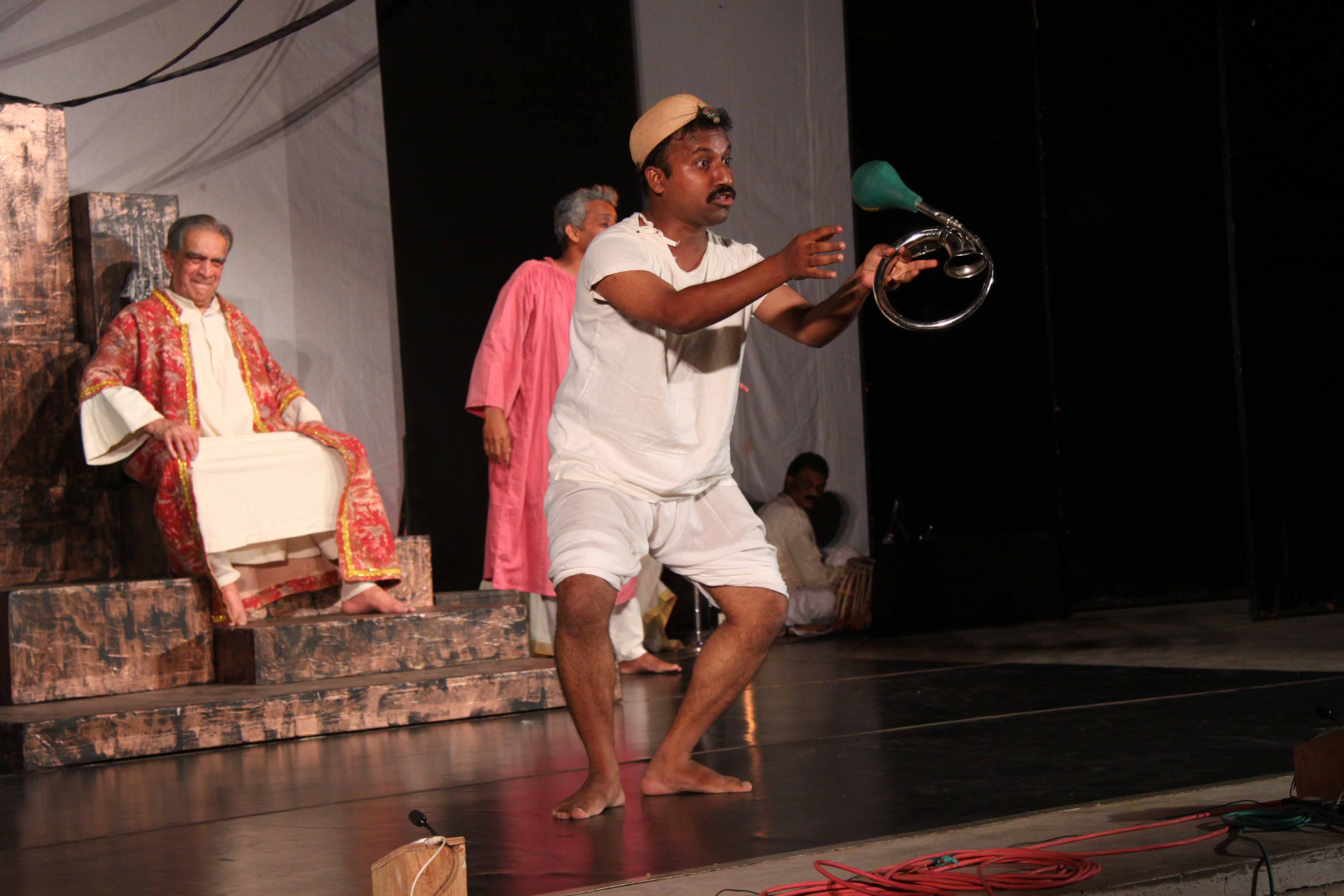
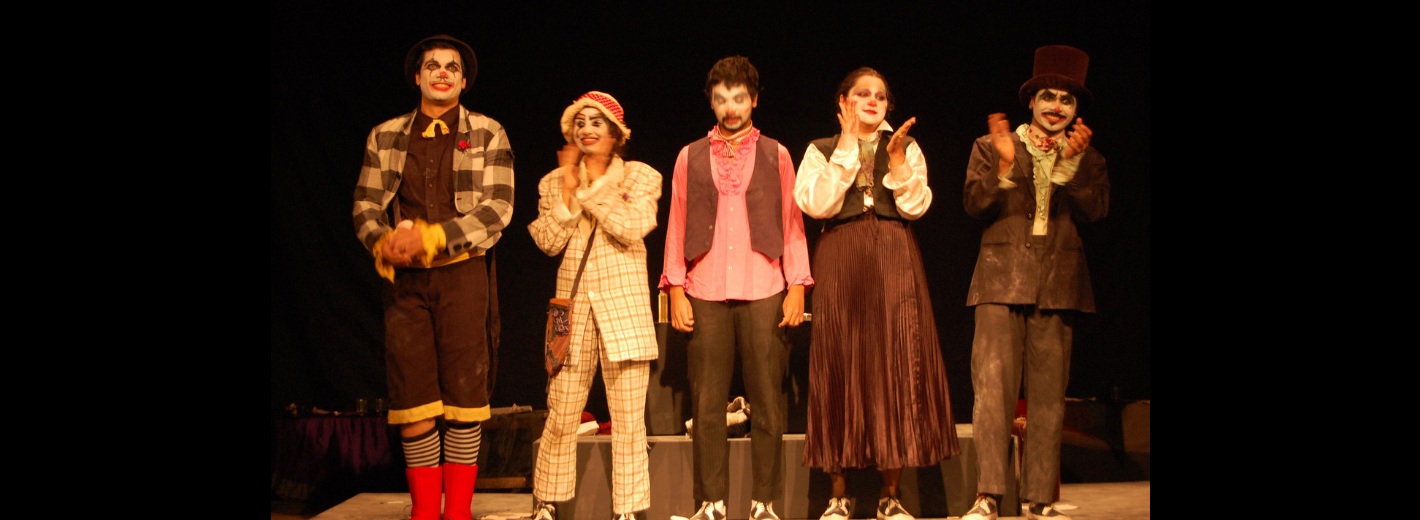
A bunch of clowns are putting up a show of hamlet- they sometimes misinterpret the text, sometimes find new meanings in it, sometimes try and understand it, very often make a mess of it. They choose to use some phrases from the play and mix it with gibberish. They even edited the text, threw out some important scenes, and made a mess of the order of things as if the pages got mixed up. But through this all they are simply looking for the essence of hamlet, and trying to find a context in their own times.
11-09-2009
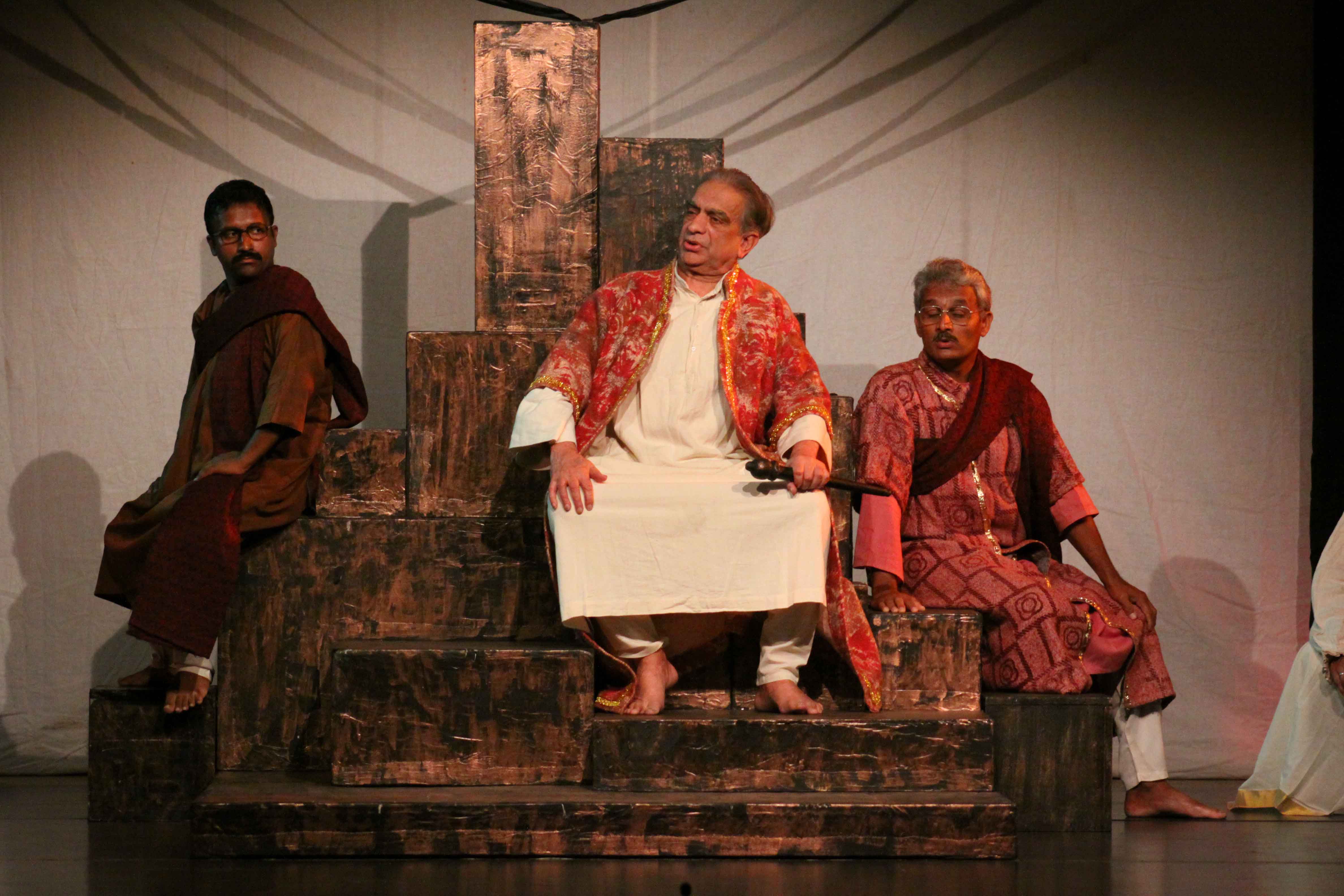
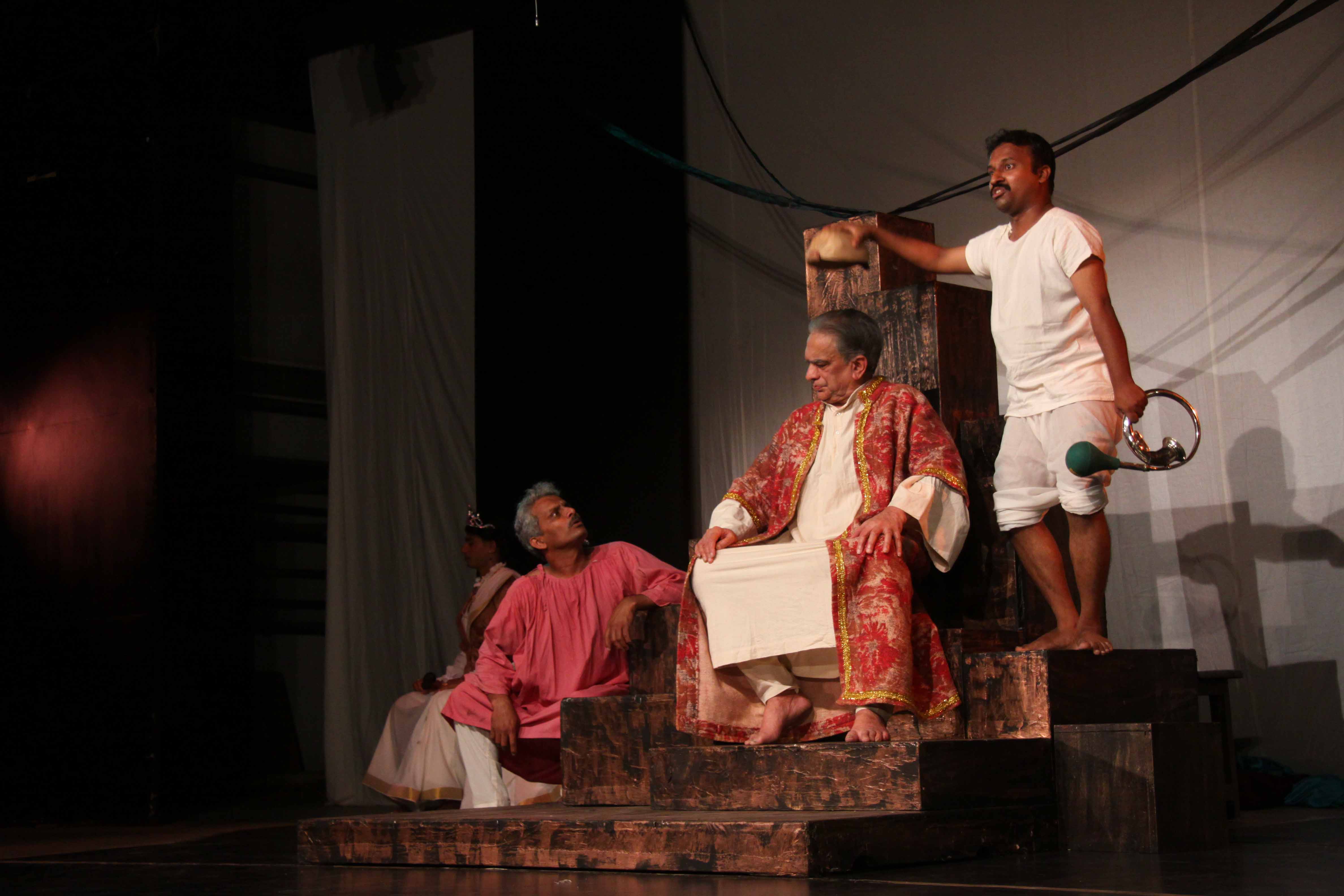
The present version of Lear concentrates on the main character of the well known Shakespearean classic and has developed it into an intimate performance. The state of mind of Lear and his development in the play, form the focus of the performance. One prominent theme in King Lear is old age, and the way humans try to 'manage' it becomes a binding thread of the plots of the play. The play is a journey into a world of contradictions and reversals -- Lear loses his control over his State, to eventually understand his state of being; he also becomes wise after he gets mad. The play is a not just about managing old age and its, but also about the human desire -- especially of the modern west -- to postpone and avoid old age itself. Similarly the play is also about the contradictions between speech and silence. Speech enables people to express as much as it disables them to do the same. The present production attempts to bring all these contradictions out in theatrical terms.
To know more about our past editions of this festival, kindly select a Year from the drop-down menu below.
Anurupa roy
Rajat Kapoor
Akshara K.V.
Parnab Mukherjee